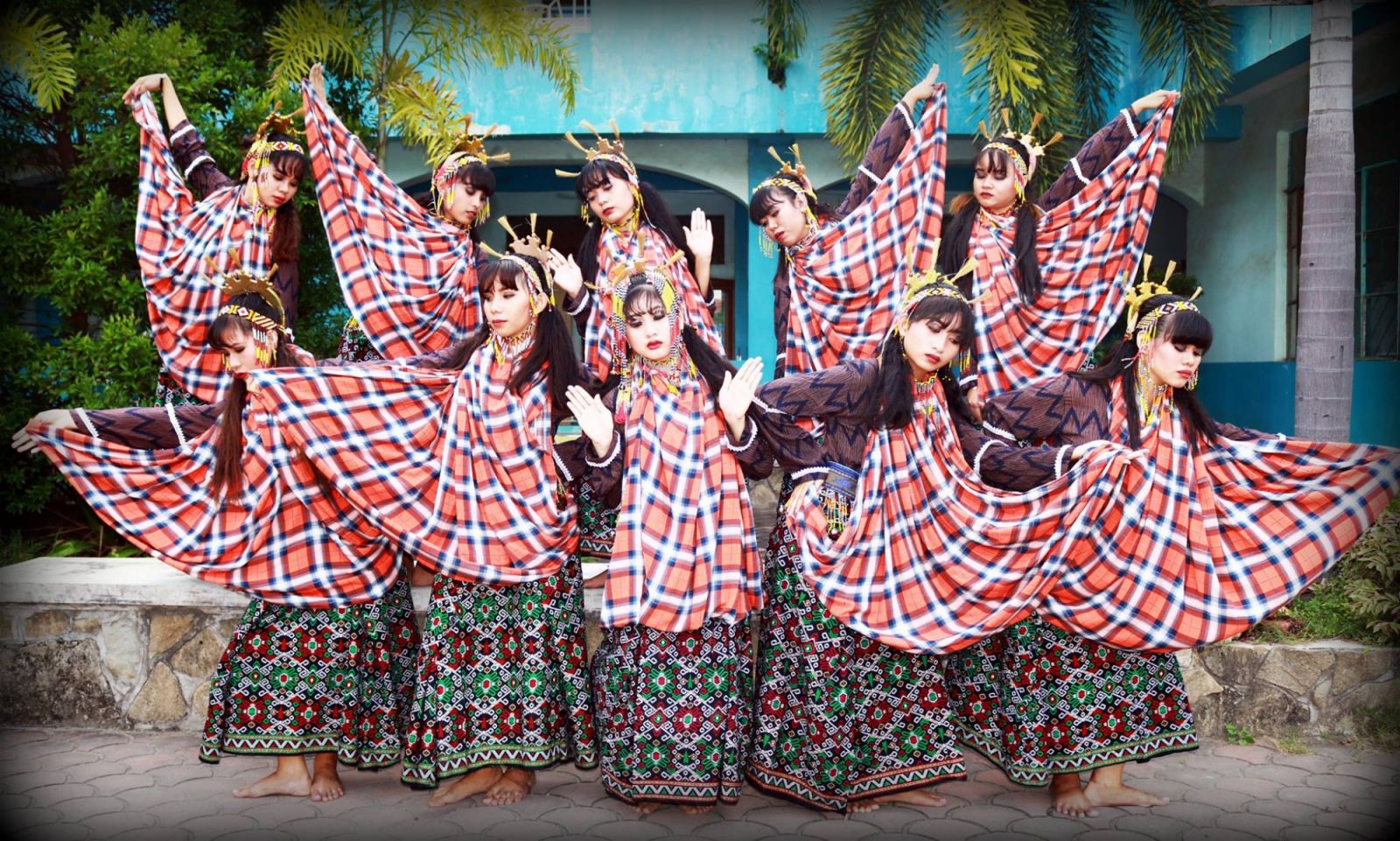
High in the mountains of Northern Luzon, where ancient rice terraces cascade down emerald slopes and the cool air carries the sound of gongs, the indigenous peoples of the Cordillera have preserved a tradition of dance and music that predates Spanish colonization by millennia.
The Gong Culture
Central to Cordillera dance is the gangsa — a flat bronze gong played by striking it with a padded mallet or by hitting it with the palm. Gong music is the heartbeat of Cordillera celebrations, and dances are performed in response to its rhythms.
The Ifugao, Kalinga, Bontoc, Ibaloi, and Kankanaey peoples each have their own distinct dance traditions, though all share the central role of the gangsa. The UNESCO recognition of the Ifugao Rice Terraces as a World Heritage Site includes the living cultural traditions — including the dances — that have maintained these terraces for 2,000 years.
Tayaw and Pattong
Among the most important Cordillera dances are the Tayaw and Pattong. The Tayaw is a social dance performed during celebrations — young men and women dance together, with the men's shoulder movements mimicking the wings of a bird. The Pattong is a war dance performed to celebrate victories or prepare warriors.